
This section details the Business Consulting offer from Carbon-Pal.
Based on our experience in REtail Area and especially in Fashion industry, we propose to support and design the different processes involved in Fashion.

Sales Plan & OTB : It can start from the Sales Plan & Open To Buy step. This step, for a new collection will place the ambition. How much do we ambition for the collection and for the next quarter/semester ? The sales plan is an iterative process, directly driven by the COMEX but also shared and discussed with the Merchandising, Regional GMM and FInance.
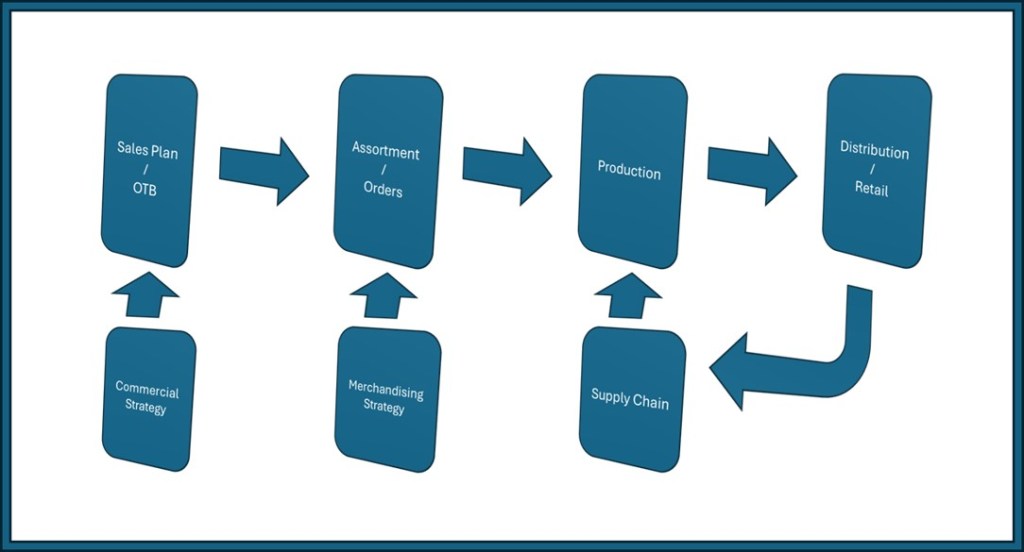
Assortment & Orders : Based on the Sales PLan and OTBs, the assortment is impacted. What do we sell and where ? in which extend, do we push this or this , here ? This merchandising strategy is a mix of Brand strategy, sales objectives and Retail capacity. Who ? it depends. Can be Collection Merchandising, REtail Merchandising or Markets.

For Seasonal, the OTB and the assortment drive to the Orders in the showrooms or buying sessions. The buying is reviewed, sometimes real-time and adjusted.
For the carryovers, the orders are executed more periodically, based on the sales & stock.
Production : THe production receives everything. The expectations arrive from everyone in terms of quantities, diversity and even speed. The production gives some visibility to the others through the Production plan and take the constraints from Supply Chain. This is where the S&OP is key : Agreement between Merchandising/Production & Supply Chain.
A new constraint is popping up on Production : Sustainability. How to produce sustainable ?
Supply Chain & Distribution : Where do we send what and how much ? The key question is driven by the sales and level of stocks.
SOME EXAMPLES BELOW
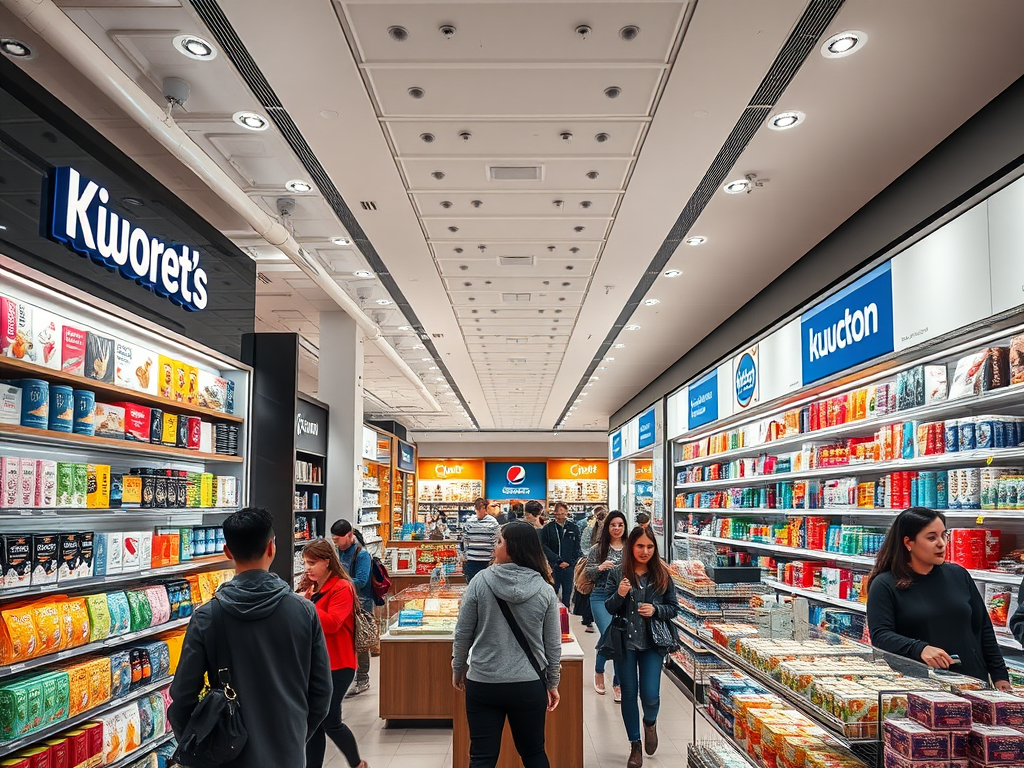
Improving Retail Processes with Data, AI, and Technology
The integration of data, AI, and technology can significantly enhance retail processes by optimizing operations, improving customer experiences, and driving innovation. Here are actionable strategies to achieve these improvements:
1. Inventory Management and Supply Chain Optimization
- Data: Analyze historical sales data and current trends to predict demand patterns and reduce overstock or stockouts.
- AI: Use machine learning algorithms for demand forecasting and automated inventory replenishment.
- Technology: Implement IoT sensors for real-time inventory tracking and blockchain for transparent supply chain management.
2. Personalized Customer Experiences
- Data: Collect and analyze customer behavior data, such as purchase history, browsing patterns, and feedback.
- AI: Leverage recommendation engines to suggest products tailored to individual preferences.
- Technology: Deploy mobile apps and CRM systems to deliver personalized offers, loyalty rewards, and targeted marketing campaigns.
3. Dynamic Pricing Strategies
- Data: Monitor competitor pricing, market trends, and seasonal factors.
- AI: Use dynamic pricing algorithms to adjust prices in real-time based on demand and inventory levels.
- Technology: Integrate pricing engines with e-commerce platforms to automate price updates across channels.
4. Enhancing Customer Service
- Data: Analyze customer service interactions to identify common pain points and improve response quality.
- AI: Deploy chatbots and virtual assistants to handle routine queries and provide 24/7 support.
- Technology: Use omnichannel platforms to ensure seamless communication across email, social media, and in-store interactions.
5. Marketing and Campaign Optimization
- Data: Segment customers based on demographics, purchase behavior, and engagement levels.
- AI: Apply predictive analytics to identify the most effective marketing channels and campaign strategies.
- Technology: Utilize marketing automation tools to execute and measure campaigns at scale.
6. Fraud Detection and Prevention
- Data: Monitor transaction patterns to detect anomalies.
- AI: Employ machine learning models to identify fraudulent activities, such as unusual spending patterns or account takeovers.
- Technology: Integrate fraud detection systems with payment gateways to ensure real-time prevention.
7. Store Operations and Workforce Management
- Data: Analyze foot traffic, sales data, and employee performance metrics.
- AI: Use predictive analytics to schedule staff efficiently and optimize store layouts.
- Technology: Implement smart devices and digital kiosks to assist with in-store navigation and self-checkout options.
8. Customer Feedback and Sentiment Analysis
- Data: Collect feedback through surveys, reviews, and social media.
- AI: Use natural language processing (NLP) to analyze sentiment and identify trends in customer opinions.
- Technology: Create dashboards to visualize insights and inform product or service improvements.
9. E-Commerce and Omnichannel Integration
- Data: Track customer journeys across online and offline touchpoints.
- AI: Recommend cross-channel promotions and optimize delivery logistics based on customer preferences.
- Technology: Use unified commerce platforms to synchronize inventory, pricing, and customer data across channels.
10. Sustainability Initiatives
- Data: Monitor energy usage, waste levels, and carbon footprint across operations.
- AI: Optimize delivery routes and inventory management to reduce waste and emissions.
- Technology: Implement green technologies such as energy-efficient systems and sustainable packaging solutions.
Conclusion
By leveraging data, AI, and technology, retail businesses can streamline operations, enhance customer satisfaction, and achieve sustainable growth. Success requires a cohesive strategy, robust infrastructure, and a culture of continuous improvement driven by data-driven insights.
 CARBON-PAL