
Since the arrival of Climate Change and in parrallel with a constant necessity to give to the customers all the information of what he purchases, Traceability has become a key changer.
With the Sustainabilty necessity, and the new regulations arriving on the market (especially in Europe) around being fully transparent on the products, the traceability of production became a very important challenge.
Then, and because a lot of brands, producers, and retailers has started a long time ago to clarify and streamline their production, traceability arised from there and time to time is becoming now a key differenciator face to the client.
Traceability requires :
- Having a clear and fully transparent subcontracting chain, to completely master where the raw materials are coming from, who is producing or contributing how to the product the brand finally buy to resell to the customers.
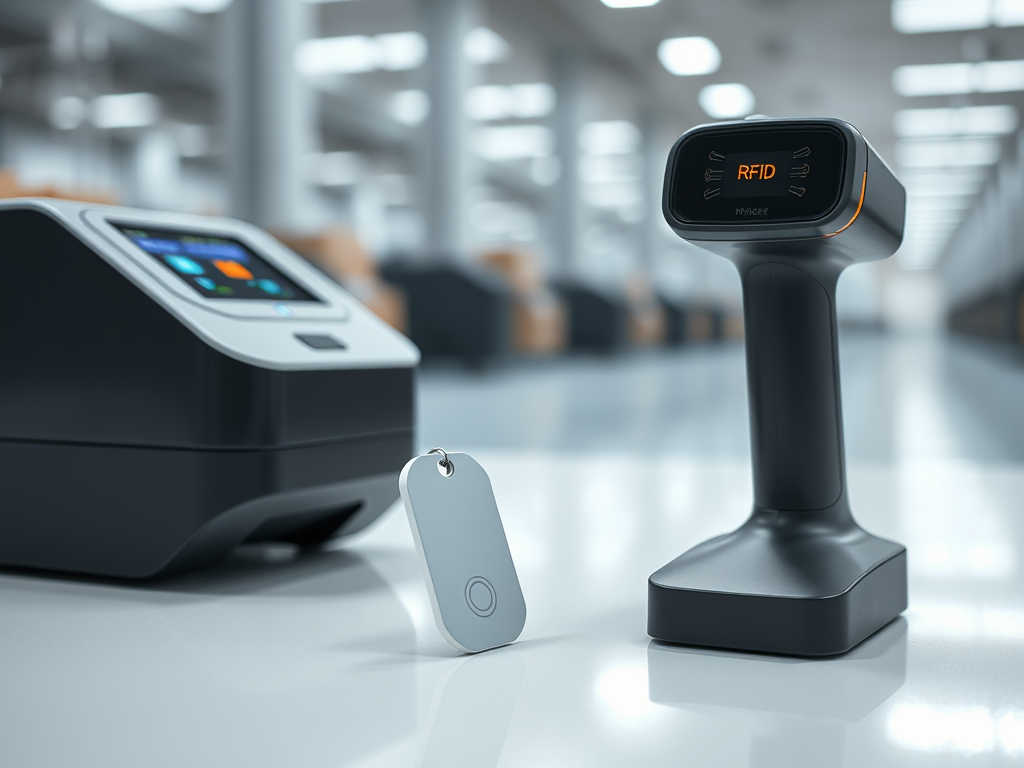
- A Physical Tag or way to track the product, and the raw materials that has been used to produce it, transport it and deliver it to the client,
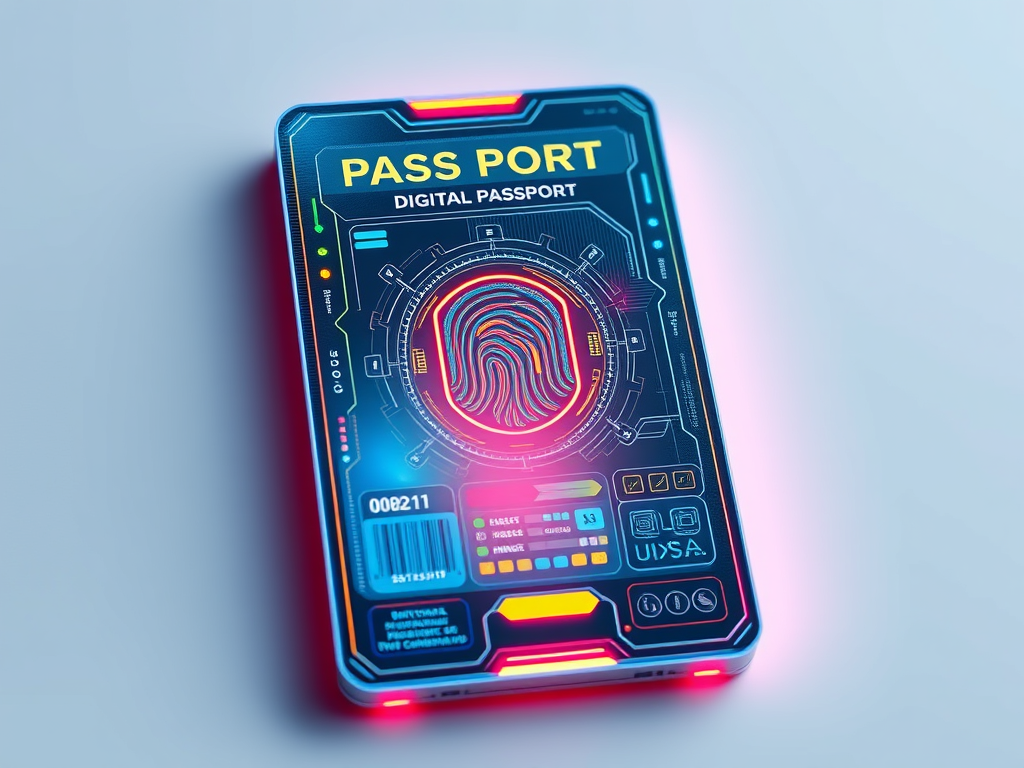
- A full integration from end to end, thanks to technology, that can be resumed in a DIGITAL PASSPORT.
- an Encrypted and super secured way to reconciliate, the physical tag, to the digital passport.
Traceability provides :
- A unique way to identify a single product from a brand, it’s a personal ID.
- Lot of use cases in Production and Logistics/Distribution to improve the process
- A Direct way to inform the client on where the product comes from and has been produced by who and with what,
- An efficient and not contestable way to fight against counterfeiting,
- An amazing way to communicate with the client, once he baught the product,
- A new way of keeping the link through the life of the product when it is sold and sold again through the second hand market.
SUBCONTRACTOR CHAIN
To ensure and improve the Traceability, the full chain of subcontracting needs to be clear, mastered and transparent.
From raw Materials, to partners, subcontractors, the identity and at least secured information on who does what and work in what conditions needs to be communicated.
PRODUCTION TRANSPARENCY
Producing a bag, a garment, a furniture or whatever requires raw materials, that are.. often sold to multiple partners upfront.
The production needs to be equipped to ensure that the information are attached to the product, secured and provide a unique ID to the product that belongs to the way it has been produced.
RETAIL USECASES
At the end, if the Traceability chain is ensured, it gives many use cases to the brands. It can be used first of all at production level (quality check, subcontractors control,..)
but also at Retail level for the customers :
- No counterfeit is possible anymore,
- Keeping the link with the client after the sale,
- Enriching the brand with the second hand market customers
PHYSICAL TAG
The physical tag is attached by definition to the product.
On an Orange, you can print a QR Code.. If you remove it, you remove the orange.
on a manufactured product it is much more difficult to ensure the consistency of the tag on the product. It can be replaced, counterfeited, or modified.
In fashion or apparels, a RFiD or NFC or QRCode tag is placed on the label, but once the product is sold, you remove the tag and the traceability chain is broken.
INTEGRATION
Having a Physical tag, enriched with information, linked to the producer or brand, is key.
Having the ability to give to the customer all these information through the Digital Passport is a real plus.
But an strong integration is needed to link the physical tag to the Digital Passport. THe backbone that links the two.
DIGITAL PASSPORT
The Digital Passport is the information on the product, the customer has and see. It defines the product and give the traceability to the customer.
THe digital Passport is the folder with all the information collected during the life cycle of the product that are useful to identify uniquely the product and for the client.
 CARBON-PAL